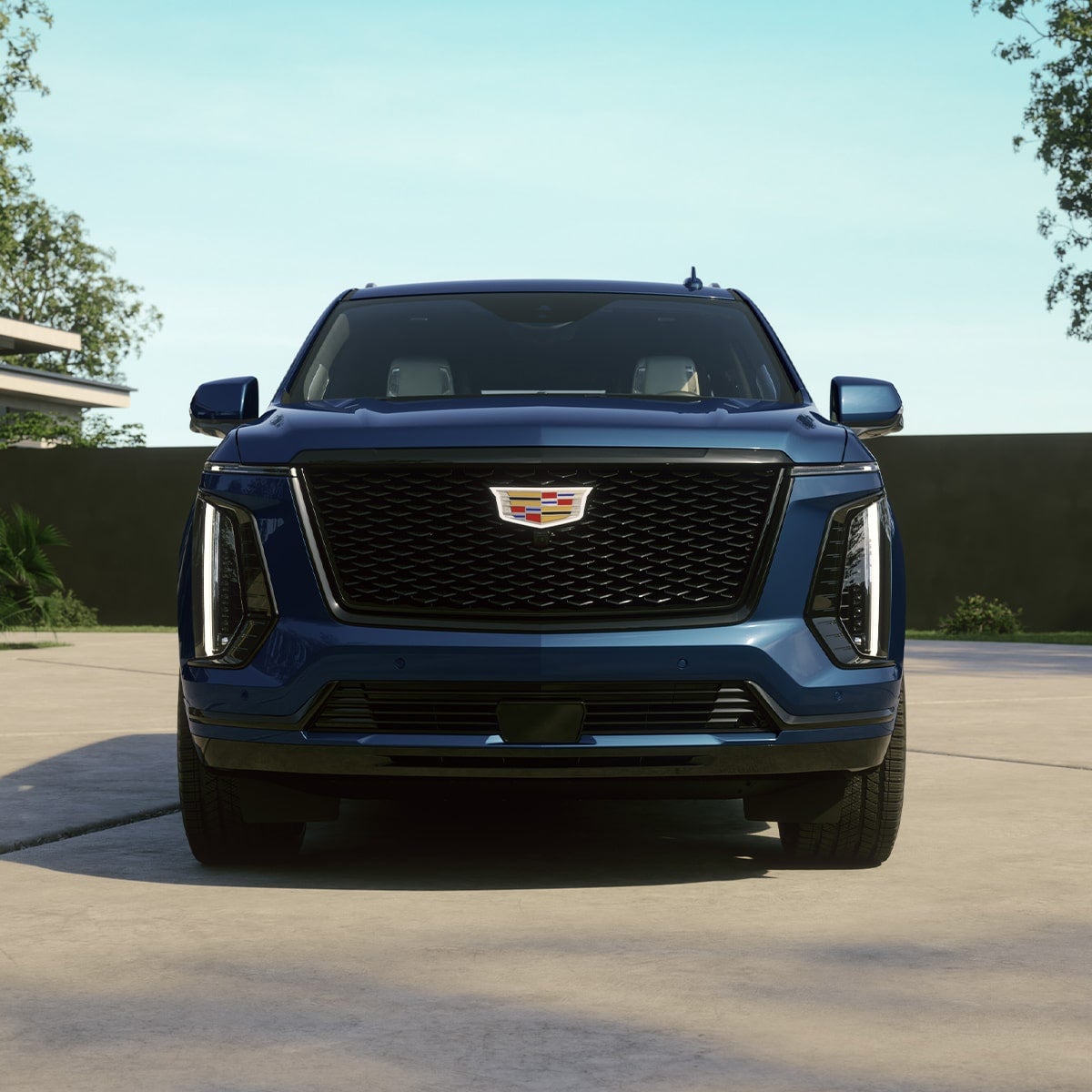


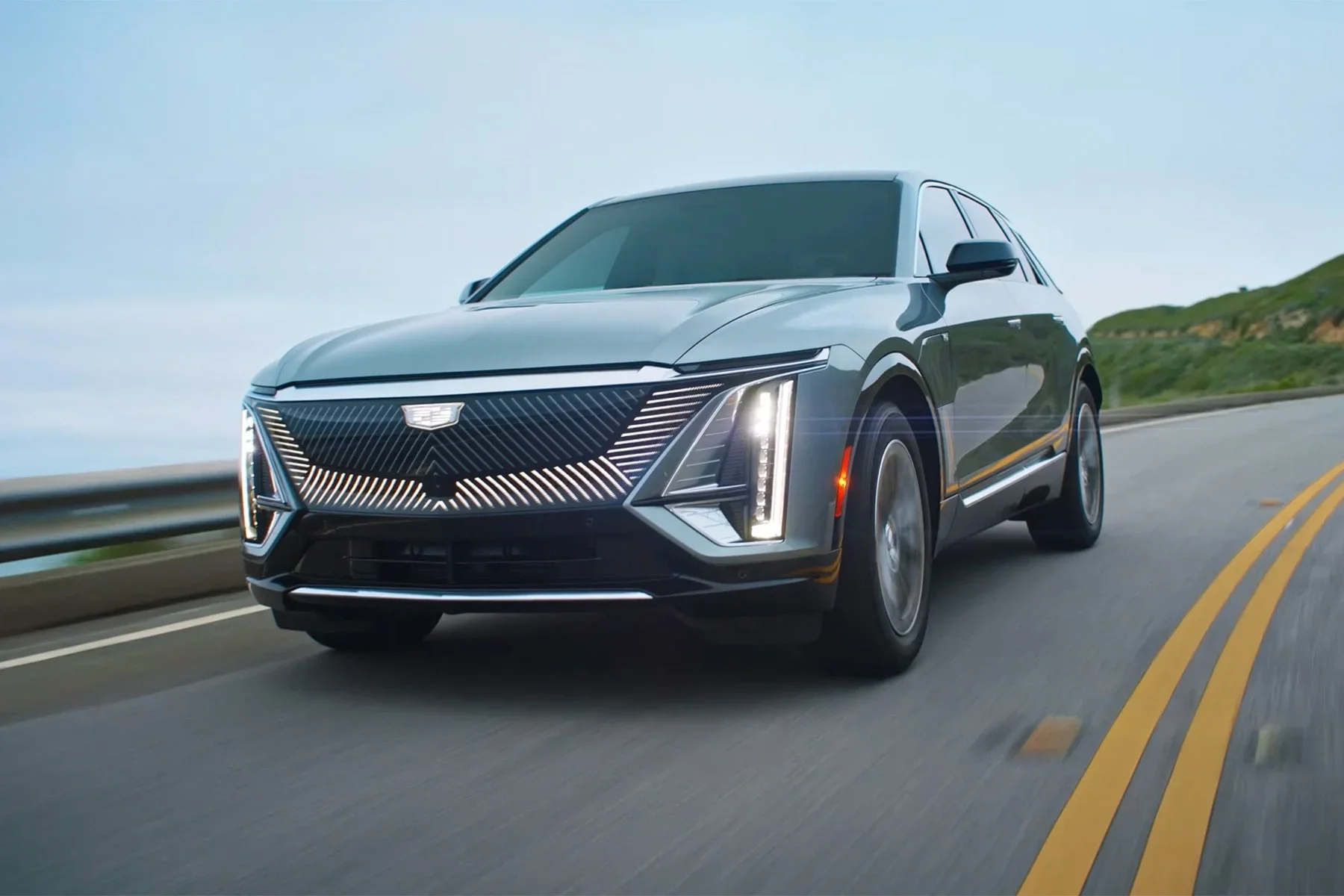
A Cadillac EV tax guide looks different now than it did just a few years ago. If you are considering a LYRIQ, OPTIQ, VISTIQ, or Escalade IQ in Huntsville or elsewhere in North Alabama, the key takeaway is straightforward: federal EV tax-credit rules changed significantly after September 2025. That does not make an electric Cadillac a less compelling luxury choice, but it does mean your purchase decision should be based on the vehicle, your charging routine, and your financing plan rather than an assumed federal credit.
Cadillac EV Tax Guide: The Federal Credit Today
The federal Clean Vehicle Credit that many shoppers knew as the EV tax credit ended for vehicles acquired after September 30, 2025. As a result, a buyer taking delivery of a new Cadillac EV in 2026 generally cannot claim that former federal consumer credit on their federal income tax return.
This deadline is tied to when you acquired the vehicle, which the IRS treats as the date a written binding contract was signed and a payment was made, not simply when you began shopping. If you acquired a qualifying Cadillac EV on or before the deadline, even with delivery afterward, the rules in effect at that time may still apply to your tax situation. Keep your purchase paperwork and speak with a qualified tax professional before filing, especially if delivery timing, a trade-in, or a vehicle order crossed tax years.
The prior program included requirements related to vehicle assembly, battery sourcing, buyer income, vehicle classification, and other details. Those rules can still matter for a past purchase, but they should not be used to estimate a credit for a new 2026 Cadillac EV purchase. Tax policy changes are often announced with limited lead time, so it is wise to verify current rules with the IRS or your tax advisor before making a decision based on any future incentive.
What about the used EV credit?
The federal credit previously available for certain qualifying used clean vehicles also ended after September 30, 2025. A certified pre-owned Cadillac EV can still be an excellent way to enter luxury electric ownership, particularly for shoppers who value a lower initial vehicle cost or want a more specific feature set. It simply should not be presented as carrying a current federal used-EV credit.
A certified pre-owned vehicle also has value beyond a tax discussion. Its condition, warranty coverage, service history, available charging equipment, and remaining battery warranty deserve just as much attention as its eligibility under any past program.
Alabama EV Incentives: What Buyers Should Expect
Alabama does not currently offer a broad statewide consumer income-tax credit for purchasing a personal electric vehicle. For most North Alabama shoppers, that means there is no state purchase credit to stack with a federal credit.
That said, local utility programs, charging-equipment offers, and electricity-rate options can change. Some programs are designed around installing home charging equipment or charging during lower-demand hours rather than reducing the cost of the vehicle itself. Eligibility can depend on your utility provider, electric rate plan, residence type, and the charging hardware you select.
For a homeowner in Madison, Athens, Decatur, or Hartselle, checking the total home-charging picture is usually more useful than looking only for a vehicle incentive. Consider whether your garage electrical panel has adequate capacity, whether your parking location makes cable routing practical, and whether a licensed electrician recommends any upgrades. Those answers affect convenience every day, long after a one-time incentive is gone.
Renters and condo owners should ask a different set of questions. Confirm where charging is permitted, who pays for installation, whether your parking space is assigned, and how electricity usage is measured. Public charging can work well for many drivers, but a realistic charging plan should come before you choose an EV.
Leasing a Cadillac EV Is a Separate Conversation
Leasing is often discussed alongside EV tax credits, but a lease is not the same as buying a vehicle and claiming a personal tax credit. In the past, some leasing structures allowed manufacturers or leasing companies to factor business-related clean-vehicle incentives into lease offers. Those federal rules also changed after September 2025.
A lease can still make sense for shoppers who like having a newer vehicle every few years, prefer a defined term, or want flexibility as EV technology develops. The right question is not whether a lease automatically creates a tax benefit. It is whether the mileage allowance, expected wear, payment structure, insurance needs, and end-of-lease options suit the way you drive.
Ask for a clear explanation of the lease terms, including how excess mileage, wear, disposition requirements, and any available manufacturer offers work. A transparent review makes it easier to compare leasing with financing a new Cadillac EV or choosing a certified pre-owned model.
The Ownership Savings That Still Matter
Tax credits receive plenty of attention because they are easy to quantify, but day-to-day ownership is where many EV drivers notice the difference. Home charging can be particularly convenient for households that start most mornings with a full battery. Instead of adding a stop to a weekly routine, you can plug in where the vehicle is parked.
Electric vehicles also eliminate routine oil changes and have fewer moving powertrain components than a gasoline vehicle. That does not mean maintenance disappears. Tires, brakes, cabin filters, windshield wipers, coolant-related systems, alignment, and software updates still deserve attention. Luxury EV ownership works best when routine service is proactive and performed by technicians who understand the vehicle.
Your savings will depend on how far you drive, your home electricity rate, access to charging, and the type of gasoline vehicle you are comparing against. A driver commuting from Athens to Huntsville will have a different experience from someone whose driving is mostly short trips around Madison. For longer trips, factor in the location, speed, and availability of charging along the routes you actually use.
Choosing the Right Cadillac EV Beyond the Credit
Without a federal purchase credit to simplify the calculation, vehicle fit becomes even more central. The Cadillac LYRIQ appeals to drivers seeking a refined electric luxury SUV with everyday versatility. OPTIQ brings a more compact luxury EV option, while VISTIQ adds another choice for families who need additional room and flexibility. Escalade IQ is for shoppers who want Cadillac's most commanding EV presence, distinctive design, and expansive capability.
Each has a different place in a household's life. Consider passenger needs, cargo requirements, garage dimensions, anticipated road trips, and whether you expect to tow. A vehicle that feels ideal on a brief drive should also fit your Monday morning routine, weekend plans, and annual travel habits.
For some buyers, a gasoline Cadillac SUV or a certified pre-owned Cadillac remains the better match. There is no one-size-fits-all answer. An EV is strongest when charging feels easy and its driving characteristics fit your lifestyle, not when the decision depends on a tax rule that may no longer apply.
Questions to Ask Before You Move Forward
Before choosing a Cadillac EV, confirm the vehicle's estimated range and charging capabilities for its specific configuration. Ask what charging equipment comes with the vehicle, what type of home setup is recommended, and how public charging fits into your typical trips. If you are financing, compare the full terms rather than focusing only on a monthly payment. If you are leasing, review mileage and end-of-term responsibilities with the same care.
For tax questions, ask a tax professional about your individual circumstances rather than relying on general online guidance. Vehicle incentives can involve delivery dates, residency, business use, filing status, and changing law. A dealership can help explain available vehicle and financing information, while a tax advisor can determine whether a tax rule applies to you.
The best next step is to experience the Cadillac EV that fits your life. Visit Bentley Cadillac for a thoughtful test drive, bring your real charging and commute questions, and let our team help you compare your options with the care a luxury purchase deserves.
Frequently Asked Questions
Can I still get a federal tax credit on a new Cadillac EV bought today?
No. The federal clean vehicle credits for new and used EVs have ended, so a Cadillac EV purchased or leased now does not come with a federal consumer credit. Plan your decision around the vehicle, your charging setup, and your financing terms, and ask a tax professional about any EV you acquired before the credits ended.
Does Alabama charge an extra registration fee for electric vehicles?
Yes. Alabama adds an annual electric vehicle fee on top of standard registration, largely because EV drivers do not pay state fuel taxes at the pump. Plug-in hybrids are also subject to a fee. Check the current amount with the Madison County or Limestone County license office before you budget for ownership, since the fee is set by state law and can change.
Are there any EV savings left for Huntsville and Madison drivers?
There is no federal or statewide purchase credit, but day-to-day savings can still be real. Home charging overnight, no oil changes, and fewer powertrain parts can lower routine running costs. Your local utility may also offer charging or rate programs, so check with your electric provider in Huntsville, Madison, Athens, or Decatur about what is currently available.
Is leasing a Cadillac EV still worth considering without the credit?
It can be. Leasing suits drivers who want a newer vehicle every few years, a defined term, and flexibility as EV technology evolves. The credit is no longer part of the math, so compare mileage allowance, wear terms, and end of lease options against financing. The Bentley Cadillac team can walk through both paths side by side on the same vehicle.