
Blog

Escalade IQ Review: A Serious Luxury EV?

Escalade IQ Review: A Serious Luxury EV?

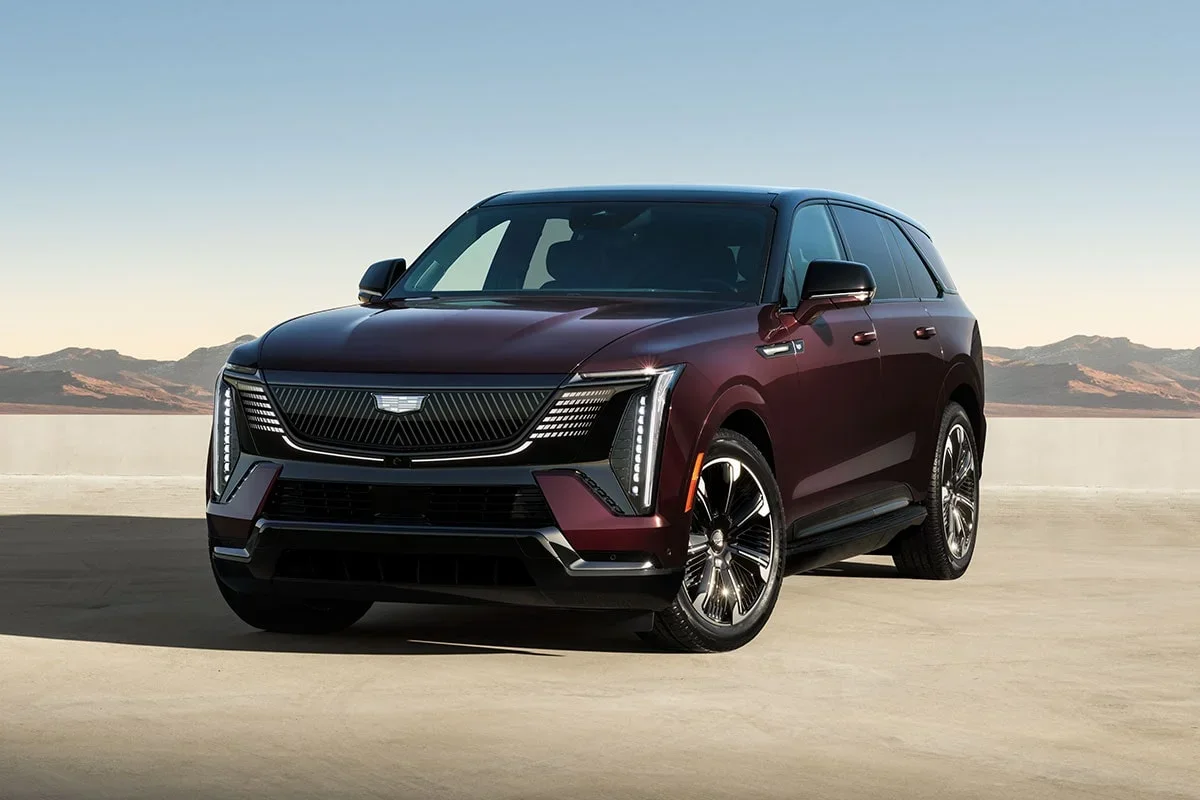
The Cadillac Escalade has always made an arrival feel like an occasion. This Escalade IQ review asks the more useful question for North Alabama families and luxury buyers: does moving that experience to an all-electric platform make the flagship SUV better for everyday life? In many important ways, yes. The Escalade IQ delivers remarkable range, quiet strength, and cabin technology that feels worthy of its name. But its size, charging needs, and distinctly different driving character mean it will not be the right Escalade for every household.

What the Escalade IQ Changes

The Escalade IQ is not simply a gas-powered Escalade with a battery installed underneath. It was designed as an electric SUV from the ground up, using a large battery pack and an advanced 800-volt electrical architecture. That foundation gives Cadillac room to pursue two priorities that can sometimes conflict in a large luxury SUV: substantial driving range and real three-row capability.

Cadillac estimates a range of up to 465 miles. Real-world range will depend on temperature, elevation changes, highway speeds, passenger load, and towing. Still, that figure changes the ownership conversation. A drive from Huntsville to Birmingham, Nashville, or the Gulf Coast becomes much less about planning every stop and more about using the same charging habits you would use at home.

Power is equally convincing. With Velocity Max enabled, the dual-motor all-wheel-drive system produces up to 750 horsepower and 785 lb-ft of torque. Cadillac cites a 0-60 mph time of under five seconds, an unexpected result in a full-size three-row luxury SUV. The acceleration is immediate but not frantic. It is the kind of confident reserve that makes merging, passing, and carrying a full cabin feel easy.

Escalade IQ Review: How It Feels on the Road

The first thing most drivers will notice is the quiet. Without a traditional engine working in the background, conversations are clearer and long interstate drives feel more relaxed. The Escalade IQ has the serene character luxury buyers expect, especially on well-paved roads around Madison and Huntsville.

It also feels more composed than its physical footprint suggests. Standard four-wheel steering helps reduce the turning circle at low speeds, a meaningful benefit in parking decks, school pickup lines, and tighter restaurant lots. At higher speeds, the rear wheels can turn in the same direction as the fronts to support stable lane changes.

That does not mean the Escalade IQ feels small. It is a commanding vehicle, and drivers moving up from an XT5, XT6, or even a LYRIQ should plan for an adjustment period. The available 24-inch wheels look properly dramatic, though larger wheels can transmit more of a rough road's texture into the cabin than a smaller-wheel setup. If your normal route includes uneven rural roads or frequent construction zones, a test drive on familiar pavement matters more than a quick loop around the dealership.

For buyers who regularly use a trailer, the electric powertrain's instant torque is appealing. Yet towing reduces available range, sometimes significantly. That is true of every EV, so owners who tow a boat, camper, or work equipment often should consider their usual distance between charging stops before deciding whether the IQ matches their routine.

A Cabin Built for Long Drives and Full Households

Cadillac has approached the Escalade IQ interior as a luxury lounge rather than just a large SUV cabin. The dashboard is anchored by a sweeping 55-inch LED display, giving the driver and front passenger a visually striking, information-rich space. The presentation is modern without asking occupants to work too hard to find basic functions.

The standard AKG audio system is a highlight for music lovers, while available Executive Second Row seating turns the rear cabin into a place adults will genuinely want to spend time. For families, the more practical story is the three-row layout, generous passenger space, and useful storage options throughout the cabin.

The front trunk is another advantage of the EV architecture. It provides a secure, weather-protected place for charging equipment, groceries, or smaller bags, leaving more of the rear cargo area available for the things families actually carry. As with any three-row SUV, shoppers should inspect cargo space with the third row in the position they expect to use most. A family that routinely travels with six or seven people and full-size luggage has different needs than one that uses the third row mainly for carpool duty.

Materials, lighting, and available massaging seats help the IQ feel special, but the more lasting luxury may be how calm the cabin remains on a long drive. That matters on weekend trips, client travel, and the everyday miles that add up between Decatur, Athens, and Huntsville.

Charging Is the Ownership Question to Answer First

For most Escalade IQ owners, home charging is the key to a satisfying experience. Plugging in overnight allows the vehicle to begin the day with a replenished battery, much like starting each morning with a full tank. Available 19.2-kW AC charging capability can support faster home replenishment when paired with appropriate home equipment and electrical capacity.

On the road, the Escalade IQ can use high-speed DC public chargers. Cadillac states that a 350-kW DC fast charger can add up to 117 miles of range in about 10 minutes under ideal conditions. Battery temperature, charger output, station availability, and weather all affect actual results, so it is wise to leave a little flexibility in the itinerary rather than treating charging estimates as guarantees.

Apartment residents, buyers without dedicated parking, or households that routinely travel far beyond public charging corridors should be candid about their charging access. The Escalade IQ can still work, but it requires more planning than it does for a homeowner with a Level 2 setup. For some shoppers, that trade-off is minor. For others, a traditional Escalade remains the more convenient fit.

Technology That Helps Rather Than Distracts

Beyond the large display, the Escalade IQ offers the sort of driver-assistance technology expected from Cadillac's flagship. Standard Super Cruise hands-free driver assistance can reduce fatigue on compatible divided highways, provided the driver remains attentive and ready to take control when needed. It is especially appealing for frequent interstate travel, but it is not a substitute for an engaged driver.

The vehicle also brings a strong camera system and parking assistance features that help manage its size. Those systems are valuable, though they are best viewed as backup for careful driving rather than a reason to stop checking mirrors and surroundings.

One consideration for shoppers is the infotainment experience. The IQ uses a Google built-in system for navigation, voice assistance, and app access. Drivers who rely heavily on a particular phone-projection routine should spend time with the vehicle's interface during their test drive. The system is sophisticated, but personal technology preferences are personal for a reason.

Who Should Choose the IQ Instead of Another Cadillac?

The Escalade IQ makes the strongest case for buyers who want an uncompromising full-size luxury SUV, have reliable charging at home, and value quiet performance as much as traditional V8 character. It is particularly compelling for a family that takes long regional trips, carries adults in every row, and wants a vehicle that feels as polished at a business dinner as it does during a Saturday ballgame.

A LYRIQ, OPTIQ, or VISTIQ may be a better electric Cadillac choice if you want easier parking, a lower seating capacity, or a more manageable daily footprint. The traditional Escalade may suit buyers who frequently tow long distances, have no practical home-charging solution, or simply prefer the familiar sound and rhythm of a gasoline powertrain.

There is no wrong answer between electric and gas when the vehicle fits your lifestyle. The better decision comes from looking honestly at your garage, commute, travel patterns, passenger needs, and charging options.

The Verdict on the Escalade IQ

The Escalade IQ does not ask luxury SUV buyers to accept a lesser experience in exchange for going electric. It gives them extraordinary range, dramatic technology, swift acceleration, and the presence expected from an Escalade. Its compromises are mostly practical: it remains very large, towing calls for extra planning, and charging access should be settled before signing up for EV ownership.

For the right driver, those are manageable considerations beside the benefits of silent power and daily home charging. If the Escalade IQ is on your shortlist, visit Bentley Cadillac to compare it with the rest of the Cadillac SUV lineup, talk through charging questions, explore current new vehicle availability, and schedule a drive that includes the roads you use every day.

Frequently Asked Questions

Will an Escalade IQ fit in a typical Huntsville or Madison garage?

It depends on the garage. The Escalade IQ is a full-size SUV, so measure your garage length, door width, and the room needed to open doors and plug in. Garage sizes vary widely across Madison County, and some older garages are tight. Bring your measurements to Bentley Cadillac before you decide.

How does the Escalade IQ handle towing a boat to Lake Guntersville?

The Escalade IQ has the torque to tow when properly equipped, but towing reduces range, sometimes significantly. For a short trip from Huntsville to Lake Guntersville, many owners will find that manageable with a full charge. For longer towing trips, plan charging stops that can accommodate a trailer, or consider whether a gas Escalade suits your routine better.

Is home charging required to own an Escalade IQ in North Alabama?

It is not strictly required, but it makes ownership far easier. A Level 2 charger at home lets the Escalade IQ start most mornings with a replenished battery. Drivers without home charging can use public chargers in the Huntsville area, though that takes more planning. Have a licensed electrician review your panel before installing equipment.

Can I compare the Escalade IQ and the gas Escalade at Bentley Cadillac?

Yes. Bentley Cadillac in Huntsville carries both electric and gas Cadillac models, so you can drive them back to back and compare ride, quiet, and cabin space. Call ahead to confirm which configurations are on hand. Bring the passengers and gear you usually carry to make the comparison realistic.

Recommended Posts

What Is a Certified Pre-Owned (CPO) Vehicle, and Is It Worth It?

Buying used can save you money, but it can also leave you wondering what you don't know about the car's past. That's where a certified pre-owned vehicle comes in. A CPO car is a used vehicle that has been inspected, reconditioned, and backed by extra warranty coverage from the automaker. At Korum Automotive Group, we sell certified Ford, Lincoln, and Hyundai vehicles every day, so we get this question a lot. Here's how CPO works, how it compares to a regular used car, and how to decide if it's worth it for you. What Does "Certified Pre-Owned" Mean? "Certified pre-owned" isn't just a sales label. A true manufacturer CPO vehicle has to meet rules set by the automaker, not just the dealership. While every brand runs its program a little differently, most share the same core steps: Age and mileage limits, so only newer, lower-mileage vehicles qualify A multipoint inspection by trained technicians, with parts that fall short repaired or replaced Extra warranty coverage that goes beyond a typical used-car sale Added perks such as roadside assistance or a return window Some dealers also sell "certified" cars under their own in-house programs. Those can be fine, but the coverage depends on the dealer, not the manufacturer. When you shop, ask whose program backs the car. You can browse factory-certified options in our certified pre-owned inventory. CPO vs. Used: What's the Difference? Every CPO vehicle is used, but not every used vehicle can be certified. Here's how the two usually compare: Certified Pre-Owned Must pass a brand-specific inspection and meet age and mileage rules Includes manufacturer-backed warranty coverage Often comes with roadside assistance and other perks Usually costs more than a similar non-certified car Standard Used Can be any age, mileage, or brand Coverage depends on what's left of the original warranty, if anything Often has a lower price up front Puts more of the research on you, such as getting an inspection and history report A standard used car can still be a great buy, especially for older or budget-friendly models. Browse our used vehicle inventory to compare both side by side. How Ford, Lincoln, and Hyundai CPO Programs Compare Since we sell all three brands, here's a quick look at what each program offers. Terms can change, so ask our team to confirm the details on any vehicle you're considering. Ford Blue Advantage Ford's program has two tiers. Gold Certified covers Ford models up to six years old with fewer than 80,000 miles. These pass a 172-point inspection and include a 12-month/12,000-mile comprehensive limited warranty plus a 7-year/100,000-mile powertrain limited warranty from the original in-service date. Blue Certified covers vehicles of any make up to 10 years old with fewer than 150,000 miles. Both tiers include a 14-day/1,000-mile money-back guarantee. Lincoln Certified Pre-Owned Lincoln now offers two tiers. Signature vehicles have fewer than 60,000 miles, pass a 200-point inspection, and get warranty coverage for up to 6 years from the original warranty start date or 100,000 miles. Select vehicles can be a bit older, with fewer than 80,000 miles, a 139-point inspection, and a 12-month/12,000-mile warranty. Both include 24/7 roadside assistance and a 14-day/1,000-mile money-back guarantee. Hyundai Certified Pre-Owned Hyundai certifies vehicles seven years old or newer with fewer than 80,000 miles. Each one passes a 173-point inspection. The headline perk is a 10-year/100,000-mile powertrain limited warranty from the original in-service date, along with roadside assistance and a complimentary CARFAX vehicle history report. Is a CPO Vehicle Worth It? For many shoppers, yes. But it depends on your priorities. A CPO vehicle is likely worth it if: You want new-car peace of mind without paying new-car prices You plan to keep the vehicle for several years and value warranty coverage You'd rather skip arranging your own pre-purchase inspection You want access to manufacturer financing offers on used vehicles, when available A standard used car may make more sense if you're shopping on a tight budget, you're comfortable handling repairs, or the model you want is too old to qualify. Either way, compare the total cost, including the price, warranty, and expected maintenance, rather than the sticker alone. Our online finance application can help you see what fits your budget before you visit. Tips for Shopping CPO in the Puyallup Area Ask which program certifies the car and get the warranty terms in writing Review the inspection checklist and vehicle history report Check when the warranty clock started, since some coverage runs from the original sale date Get a value on your current vehicle before you shop Test drive more than one trim or model year to compare features Whether you're coming from Tacoma, Sumner, or Kent, knowing your trade-in value up front makes the process smoother. Start with our Kelley Blue Book Instant Cash Offer. Frequently Asked Questions What is a certified pre-owned vehicle? A certified pre-owned vehicle is a used car that meets an automaker's age and mileage limits, passes a multipoint inspection, and comes with extra manufacturer-backed warranty coverage. Many programs also add perks like roadside assistance and a money-back guarantee. Is a certified pre-owned car better than a used car? A CPO car usually offers more peace of mind thanks to its inspection and added warranty, but it typically costs more than a similar non-certified car. A standard used car can be the better value if you're on a tight budget or want an older model that doesn't qualify. What warranty comes with a certified pre-owned vehicle? It depends on the brand. Ford Gold Certified includes a 12-month/12,000-mile comprehensive limited warranty and a 7-year/100,000-mile powertrain warranty, while Hyundai CPO includes a 10-year/100,000-mile powertrain warranty from the original in-service date. Always confirm the current terms with your dealer. Can I return a certified pre-owned vehicle? Ford Blue Advantage and Lincoln CPO vehicles include a 14-day/1,000-mile money-back guarantee, whichever comes first. Conditions apply, so ask your salesperson to explain the details before you buy. Where can I shop certified pre-owned vehicles near Puyallup? Korum Automotive Group offers certified Ford, Lincoln, and Hyundai vehicles across our stores on River Road in Puyallup, plus Korum Pre-Owned at 711 North Meridian. Call 253-845-6600 to ask about a specific vehicle or schedule a test drive. Find Your Next Certified Pre-Owned Vehicle at Korum A certified pre-owned vehicle gives you the savings of buying used with the added confidence of a factory inspection and warranty. If that balance sounds right for you, our team can walk you through the Ford, Lincoln, and Hyundai programs and help you compare options. Browse our certified pre-owned vehicles online, or call 253-845-6600 to plan your visit to Korum Automotive Group.

Cadillac OPTIQ vs. LYRIQ: Which Electric SUV Size Is Right for You?

Cadillac now offers more than one way to go electric, and two of its most popular choices sit side by side in the lineup: the OPTIQ and the LYRIQ. Both are five-passenger luxury SUVs with the same signature 33-inch display, available Super Cruise, and the quiet, instant power that makes driving an EV so satisfying. The real question is size. When you compare the Cadillac OPTIQ vs. LYRIQ, a few inches and a few cubic feet can make a big difference in how each one fits your life. Here's a side-by-side look from the team at Bentley Cadillac. Size and Space: How the OPTIQ and LYRIQ Measure Up The OPTIQ is Cadillac's compact electric SUV, while the LYRIQ steps up to midsize. Both seat five, but the LYRIQ's longer wheelbase pays off in rear legroom and cargo space. Spec Cadillac OPTIQ Cadillac LYRIQ Length 190.0 in 196.7 in Wheelbase 116.0 in 121.8 in Rear legroom 37.8 in 39.6 in Cargo behind 2nd row 26.0 cu ft 28.0 cu ft Max cargo 57.0 cu ft 60.8 cu ft Seating 5 5 In everyday terms, the OPTIQ is nearly seven inches shorter, which makes it easier to park downtown and tuck into a home garage. The LYRIQ gives taller rear passengers a little more stretch-out room and adds a few extra cubic feet for luggage, strollers, or sports gear. Explore features and trims on our Cadillac OPTIQ model page. Range, Power, and Charging Both SUVs offer a single-motor rear-wheel-drive setup or a dual-motor all-wheel-drive setup. The LYRIQ's larger battery, about 102 kWh versus roughly 85 kWh in the OPTIQ, gives it more power and a bit more range. Cadillac OPTIQ RWD: up to 315 horsepower and up to 317 miles of EPA-estimated range AWD: up to 440 horsepower DC fast charging that can add up to 76 miles of range in about 10 minutes Cadillac LYRIQ RWD: up to 365 horsepower and up to 326 miles of EPA-estimated range AWD: up to 515 horsepower DC fast charging that can add up to 86 miles of range in about 10 minutes Both models also offer high-performance V-Series versions for drivers who want even more speed. For most daily drivers, either SUV covers a full week of commuting on a single charge, especially if you plug in at home overnight. Planning a home charger? Learn more about home charging solutions through GM Energy. Both SUVs also offer Level 2 home charging at 11.5 kW as standard, with available 19.2 kW charging for faster top-ups, and both are compatible with Vehicle-to-Home technology that can help power your home during an outage when paired with the right equipment. The OPTIQ also comes with a NACS charge port, which simplifies access to a growing network of public fast chargers. For drivers around Huntsville who split time between short errands and weekend trips to the lake or the mountains, either range figure leaves plenty of cushion. Technology and Comfort Inside Step into either SUV and you'll find a lot in common. Each features Cadillac's 33-inch diagonal LED display with 9K resolution, Google built-in, wireless phone charging, and a panoramic fixed glass roof with power shade. Available Super Cruise offers hands-free driver assistance on compatible roads. A few differences stand out: Audio: the OPTIQ comes with a 19-speaker AKG Studio Surround system, while Premium LYRIQ trims offer a 23-speaker AKG Studio system with available Dolby Atmos. Comfort: Premium OPTIQ trims add a head-up display plus ventilated and massaging front seats, while Signature LYRIQ trims add an augmented reality head-up display and tri-zone climate control. Lighting: the LYRIQ offers 126-color ambient interior lighting for a personalized cabin glow. See the LYRIQ's full feature list and trim walk on our Cadillac LYRIQ model page. Which Cadillac EV Is Right for You? Choose the OPTIQ if you: Do most of your driving around town and want an easier SUV to park Usually carry one or two passengers and occasional cargo Want Cadillac EV luxury and tech in a more compact size Choose the LYRIQ if you: Regularly carry adults or teens in the back seat Take frequent road trips and value the longest available range Want more power and a few extra cubic feet of cargo room Need room for more than five? Cadillac's three-row VISTIQ is worth a look, too. Still deciding between these two? The best way to feel the difference is an extended drive, so ask about our Cadillac EV test drive experience. Frequently Asked Questions What is the difference between the Cadillac OPTIQ and LYRIQ? The OPTIQ is a compact electric SUV, while the LYRIQ is midsize. The LYRIQ is about 6.7 inches longer, offers more rear legroom and cargo space, and uses a larger battery for more power and slightly more range. Both seat five and share the 33-inch display and available Super Cruise. Which has more range, the OPTIQ or the LYRIQ? The LYRIQ has a slight edge, with up to 326 miles of EPA-estimated range in rear-wheel-drive form. The OPTIQ offers up to 317 miles of EPA-estimated range with rear-wheel drive. Actual range varies by trim, drivetrain, and driving conditions. Does the Cadillac OPTIQ have less cargo space than the LYRIQ? Yes, but not by much. The OPTIQ offers 26 cubic feet behind the second row and 57 cubic feet with the seats folded. The LYRIQ offers 28 and 60.8 cubic feet, respectively. Is the Cadillac OPTIQ or LYRIQ available with all-wheel drive? Both are. The OPTIQ dual-motor AWD setup produces up to 440 horsepower, while the LYRIQ dual-motor AWD setup produces up to 515 horsepower. Rear-wheel drive is also available on both. Where can I test drive the OPTIQ and LYRIQ near Madison, AL? Bentley Cadillac at 2118 Drake Ave SW in Huntsville is a short drive from Madison, Decatur, and Athens. Call 256-207-8246 to schedule back-to-back test drives of both models. Compare the OPTIQ and LYRIQ in Huntsville When you weigh the Cadillac OPTIQ vs. LYRIQ, the right choice comes down to how much space you need. The OPTIQ delivers Cadillac EV luxury in a nimble, easy-to-park package, while the LYRIQ adds room, power, and range for families and road-trippers. The best way to decide is to drive them back to back. Visit our showroom on Drake Avenue or call 256-207-8246, and our team can also walk you through Cadillac financing options for whichever electric SUV fits you best

Cadillac SUV Size Comparison for Your Drive

Cadillac SUV Size Comparison for Your Drive

A Cadillac SUV has to feel right in more places than the showroom. It needs to fit the garage, make sense on Huntsville errands, carry friends or family to a game, and still feel composed on a longer drive to Decatur, Athens, or beyond. This Cadillac SUV size comparison puts the lineup into practical terms, from the maneuverable OPTIQ to the commanding Escalade and Cadillac's growing family of electric SUVs. The best fit is not always the largest Cadillac. It depends on how many people you regularly carry, how much cargo comes along, where you park, and whether you want gasoline power or an all-electric driving experience. Cadillac SUV Size Comparison at a Glance Cadillac's SUV lineup gives shoppers a meaningful range of sizes rather than several versions of the same vehicle. The midsize XT5 is the current gas-powered two-row choice, with a strong balance of passenger comfort and cargo flexibility. At the top, the Escalade delivers the room, presence, and capability many luxury SUV buyers expect. Cadillac EVs follow a similarly clear progression. OPTIQ brings compact electric luxury, LYRIQ occupies a comfortable two-row middle ground, VISTIQ adds three rows, and Escalade IQ brings electric power to Cadillac's largest format. Published dimensions and cargo measurements can vary slightly by model year, drivetrain, seating position, and equipment. They remain useful for understanding the real-world differences between each SUV. Cadillac XT4 and XT6: Now Pre-Owned Choices The compact XT4 and the three-row XT6 are no longer part of Cadillac's new-vehicle lineup, but both remain worth a look on the pre-owned side. The XT4 suits drivers who want the smallest Cadillac SUV footprint, while the XT6 offers three rows in a more manageable size than an Escalade. Cadillac XT5: The Versatile Two-Row Choice The XT5 is about 190 inches long, giving it a noticeably more substantial road presence than a compact SUV while remaining easy to live with every day. For many North Alabama households, this is the sweet spot of the gasoline-powered Cadillac SUV range. It seats five and provides around 30 cubic feet of cargo room behind the rear seats, expanding to roughly 63 cubic feet when those seats are folded. The difference is easy to appreciate when loading larger boxes, travel gear, or supplies for a home project. Rear-seat passengers also gain a little more room to stretch out. The XT5 makes sense for shoppers who do not need a third row but want more cargo capacity and a more relaxed long-distance feel than a compact SUV provides. It is a particularly thoughtful choice for couples, smaller families, and empty nesters who want luxury that remains practical. Cadillac Escalade: Full-Size Luxury and Family Space The standard Escalade is roughly 212 inches long, while the extended Escalade ESV stretches to approximately 227 inches. Those numbers explain the difference the moment you step inside. This is the Cadillac SUV for shoppers who want generous room in every row, substantial cargo capacity, and the confident presence of a full-size luxury vehicle. The standard Escalade offers more than 25 cubic feet of space behind the third row and up to about 121 cubic feet with the rear seating folded. The ESV adds even more room behind the third row, which can be especially valuable for larger families, airport trips, golf bags, or travel with everyone packed for several days. There are trade-offs. An Escalade requires more attention in garages, drive-through lanes, and older parking lots. Yet for drivers who frequently use all three rows or would rather have extra room than wish for it, its size is a benefit rather than a burden. How Cadillac Electric SUVs Compare in Size Electric Cadillac SUVs bring their own packaging advantages, including flat-floor cabin layouts and, on certain models, additional front storage. They also deserve the same practical size conversation as their gasoline-powered counterparts. OPTIQ and LYRIQ: Two Different Two-Row EVs OPTIQ is Cadillac's more compact electric SUV, measuring around 190 inches long. It offers seating for five and is a natural fit for EV-curious drivers who want an approachable size for daily driving. Its proportions make it a compelling alternative for shoppers who might otherwise consider an XT5. LYRIQ is slightly longer at approximately 197 inches and feels more spacious and substantial. With nearly 28 cubic feet of cargo room behind its second row and more than 60 cubic feet with the seats folded, it serves drivers who want a true luxury SUV experience with electric propulsion. It is a smart match for those who value quiet highway travel, a generous two-row cabin, and a larger cargo area without stepping into a three-row vehicle. VISTIQ and Escalade IQ: Electric Three-Row Options VISTIQ is Cadillac's three-row electric SUV, at about 205 inches long. Its size places it between the XT5 and Escalade, giving families more everyday room while avoiding the full-scale footprint of the largest models. It is the electric Cadillac to watch if three-row flexibility is a regular need. Escalade IQ takes a different approach. At roughly 224 inches long, it has Escalade-level presence and family utility, with significant cargo room, a standard front eTrunk, and an electric driving experience. For buyers considering the standard Escalade versus Escalade IQ, the decision often comes down less to space and more to charging routines, driving preferences, and the kind of ownership experience they want. Choose by Your Everyday Routine, Not Just Seating Count A seating chart can be misleading. A five-passenger SUV may be exactly right for a family of four that rarely carpools and values cargo space. A three-row SUV can be the better fit for a family of five if grandparents, teammates, or friends often ride along. Before deciding, think through your most demanding normal day. Is it a weekly warehouse-store trip? A school carpool? A long vacation with luggage? Or simply navigating a tight garage after work? Bring the items that matter, such as a child seat or golf bag, when you test-drive. A few minutes of loading and adjusting seats tells you more than a specification sheet alone. If you are weighing a new model against a certified pre-owned Cadillac, compare dimensions and seating layouts first, then focus on features, condition, and ownership preferences. The right vehicle should suit your life now while leaving room for what may change over the next few years. A visit to Bentley Cadillac can make this comparison more tangible. Sit in each row, check the cargo area, and drive the routes that resemble your own. When you are ready, browse the available new and certified pre-owned vehicles, schedule a test drive, or begin a financing application with a team that takes the time to help you choose with confidence. Frequently Asked Questions Which Cadillac SUV fits best in an older Huntsville garage? Compact and midsize models are usually the easiest fit in older Huntsville and Madison garages. The XT5 and OPTIQ are shorter than the three-row models, while the Escalade and Escalade IQ need the most room. Measure your garage length and door width before you shop, and bring those numbers to Bentley Cadillac so you can compare each SUV in person. Which Cadillac SUV is best for a family of five in Madison County? It depends on how often extra riders join you. A two-row XT5 or LYRIQ can work well for a family of five that rarely carpools. If grandparents, teammates, or friends often ride along, a three-row VISTIQ or Escalade gives everyone more room. Bring car seats and gear to your test drive to see what fits. Is a three-row Cadillac EV practical for North Alabama road trips? For many families, yes. The VISTIQ and Escalade IQ offer three rows with electric power, and trips toward Birmingham, Nashville, or the Gulf Coast are manageable with a little charging planning. Use the vehicle's built-in route planning, leave a range buffer for summer heat, and build charging stops around meals. Can I compare several Cadillac SUV sizes in one visit? Yes. Bentley Cadillac in Huntsville keeps a range of Cadillac SUVs, so you can sit in each row, fold seats, and check cargo areas side by side. Call ahead to confirm which models are available that day. Bring the items that shape your routine, such as a stroller or golf bag, to make the comparison practical.